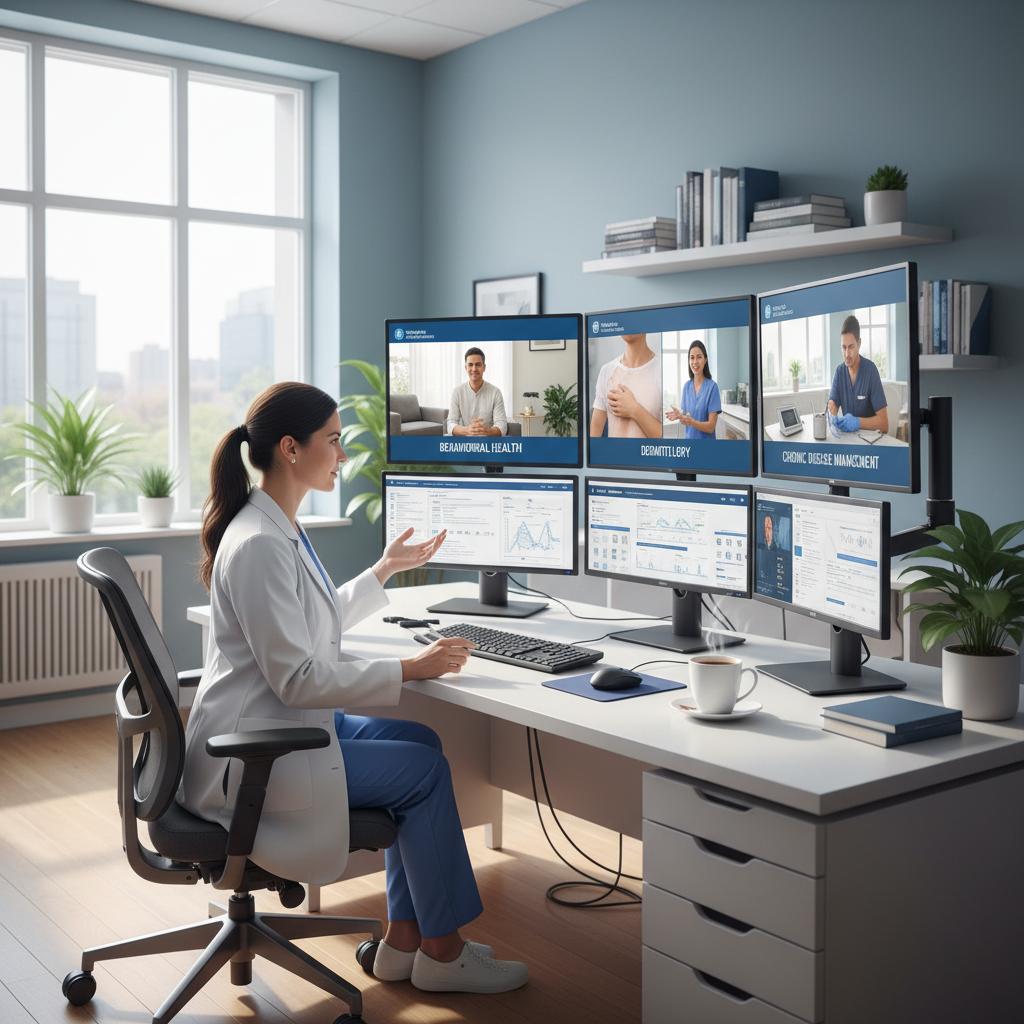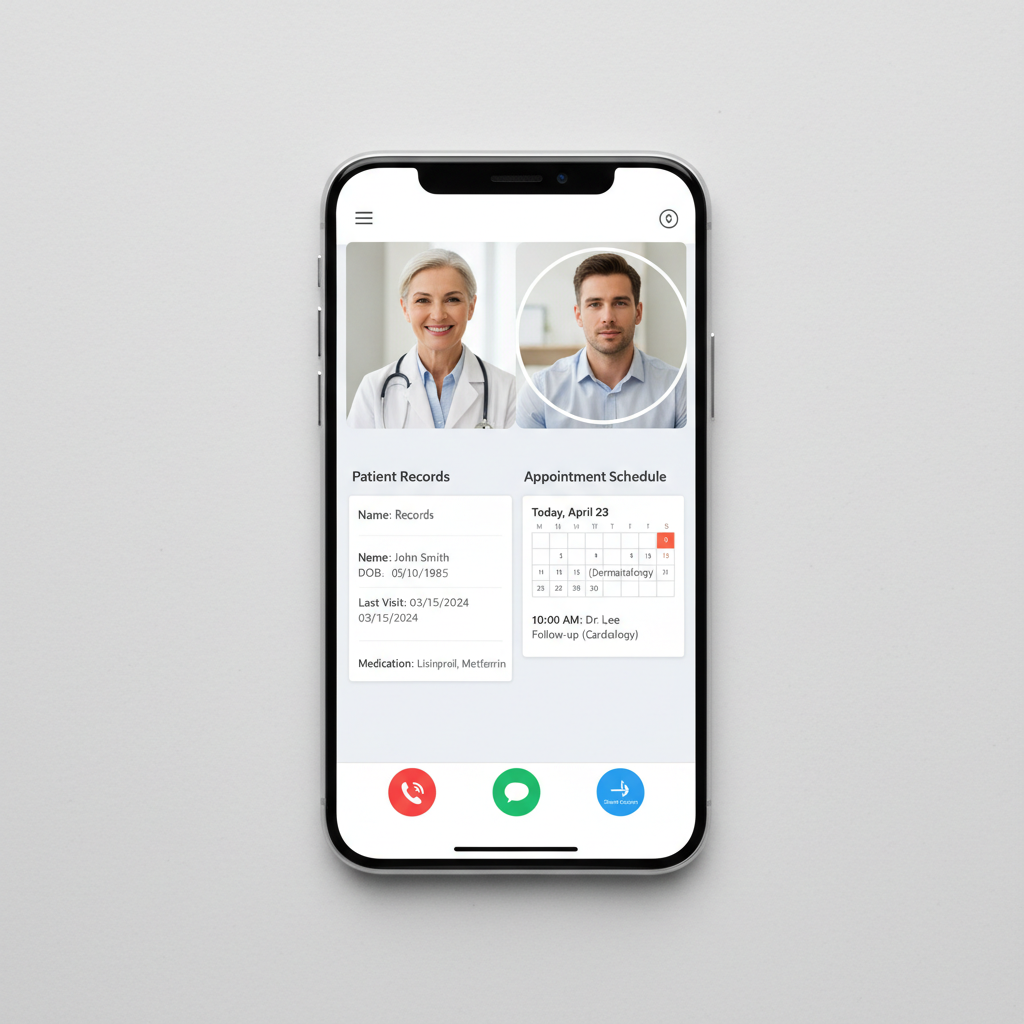
The telehealth platform decision is one of the most consequential technology choices a healthcare practice makes. The wrong platform creates HIPAA compliance exposure, frustrates patients with poor video quality and complicated login processes, and generates billing headaches from inadequate coding support. The right platform becomes the foundation of a virtual care program that patients prefer, providers trust, and administrators can manage without constant technical support.
The Five Criteria That Matter Most in Telehealth Platform Selection
- 1HIPAA compliance and BAA availability — the platform must be willing to sign a Business Associate Agreement and must demonstrate HIPAA-compliant data handling, encryption, and access controls
- 2EHR integration capability — the platform should integrate directly with your EHR to populate visit notes, pull patient records, and support telehealth billing documentation without manual data transfer
- 3Patient-facing ease of use — patients should be able to join a telehealth visit from any device without downloading an app, creating an account, or navigating a complex interface
- 4Billing and coding support — the platform should support telehealth-specific CPT codes, generate the documentation required for telehealth billing, and integrate with your practice management system
- 5Scalability — the platform should support your current visit volume and scale with your practice as telehealth adoption grows
Common Telehealth Platform Mistakes to Avoid
- Choosing a consumer video platform (Zoom, FaceTime, Google Meet) without a BAA — these are not HIPAA-compliant for healthcare use without a signed Business Associate Agreement
- Selecting a platform that requires patients to download an app — app download requirements reduce patient adoption by 60% compared to browser-based platforms
- Choosing a platform without EHR integration — manual data transfer between telehealth and EHR creates documentation gaps and billing errors
- Underestimating the importance of technical support — patients who can't connect to their telehealth visit need immediate support, and platforms without 24/7 patient support create abandoned visits
- Failing to configure telehealth billing codes before launch — telehealth visits billed incorrectly are denied, and retroactive billing corrections are time-consuming and often unsuccessful
NYC Healthcare Marketing's Telehealth Implementation Process
NYC Healthcare Marketing manages the entire telehealth implementation process — from platform selection through go-live. The engagement begins with a needs assessment that identifies your specific visit types, patient population, EHR platform, and billing requirements. From there, NYC Healthcare Marketing evaluates platforms against your specific criteria, recommends the best fit, and manages the implementation including EHR integration, staff training, patient communication, and billing configuration.
Practices that work with NYC Healthcare Marketing on telehealth implementation achieve a fully operational virtual care program in 4–6 weeks — compared to 3–6 months for practices that manage implementation independently.
Patient Onboarding: The Key to Telehealth Adoption
The best telehealth platform in the world delivers no value if patients don't use it. NYC Healthcare Marketing's telehealth implementation includes a patient onboarding communication campaign that introduces the telehealth program to your patient population, explains how to access virtual visits, and provides technology support for patients who need help connecting. Practices that invest in patient onboarding achieve 3–4x higher telehealth adoption rates than those that simply announce the service and wait for patients to figure it out.
Frequently Asked Questions
Does our practice need a separate telehealth platform, or can we use our EHR's built-in telehealth module?
How do we handle patients who don't have reliable internet access for telehealth visits?
What telehealth CPT codes should we be using, and how do we ensure we're billing correctly?
Ready to Implement These Strategies?
Our healthcare marketing specialists handle everything — from technical SEO to content creation to review management. No long-term contracts.
Get a Free Consultation