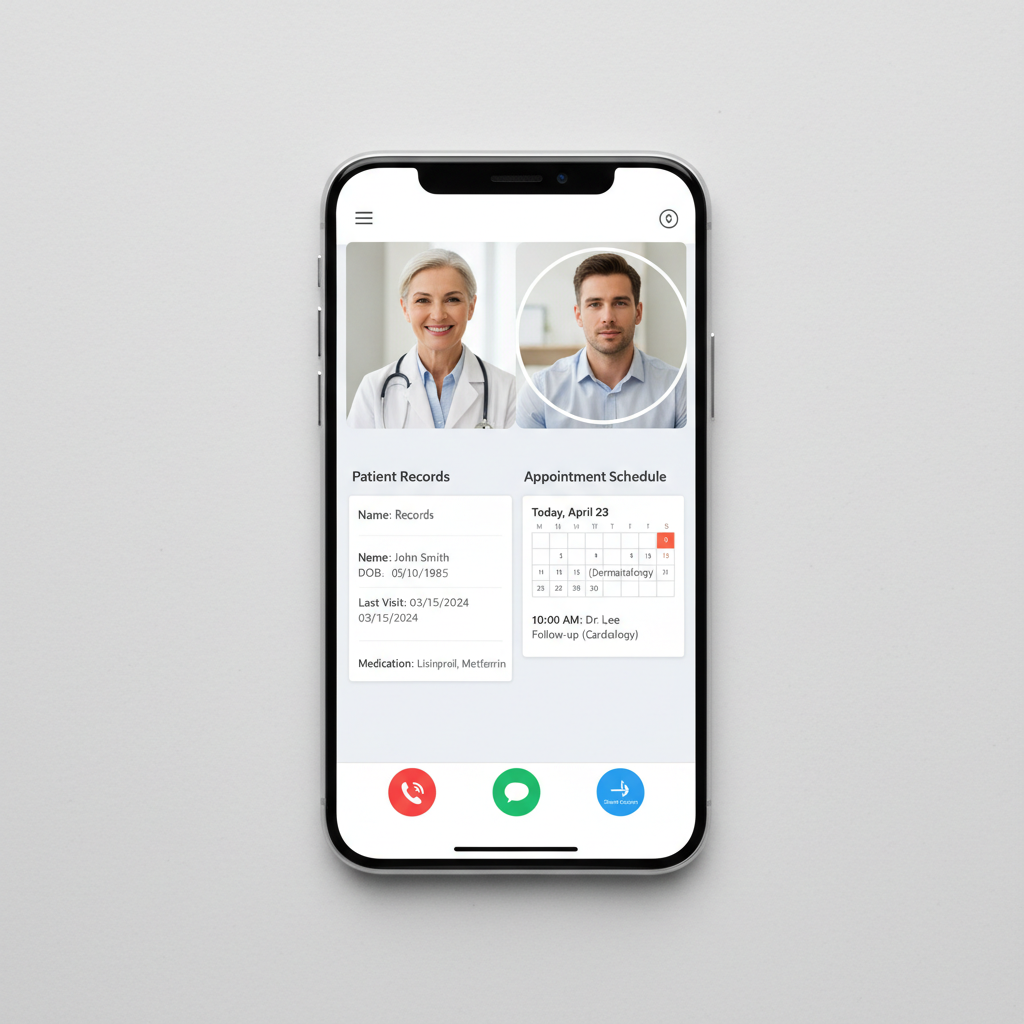
Most healthcare practices think of telehealth as a primary care tool — a way to handle routine sick visits and medication refills remotely. But the highest ROI telehealth applications are often in specialty care, where patients face significant travel burdens, appointment wait times are long, and many visit types don't require physical examination. Expanding telehealth strategically across eligible specialties is one of the most impactful capacity and revenue decisions a practice can make.
Which Specialties Benefit Most from Telehealth
The key question for any telehealth expansion is whether the clinical encounter requires physical examination. Visit types that are primarily conversational, observational, or data-review-based are strong telehealth candidates. Visit types that require hands-on examination, diagnostic procedures, or physical intervention are not.
- Behavioral health — therapy, psychiatric medication management, and counseling are ideal telehealth services with 70%+ patient preference for virtual delivery
- Dermatology — store-and-forward image review allows asynchronous diagnosis without a synchronous visit
- Endocrinology — diabetes management, thyroid follow-up, and hormone therapy monitoring are primarily data-driven
- Neurology — headache management, epilepsy monitoring, and cognitive assessments can be conducted virtually
- Chronic disease management — hypertension, diabetes, COPD, and heart failure monitoring via telehealth with RPM integration
- Post-surgical follow-up — wound checks via video, medication adjustments, and recovery monitoring
Behavioral Health Telehealth: The Highest-ROI Specialty
Behavioral health is the specialty where telehealth has had the most transformative impact. Patients who previously couldn't access mental health care due to transportation barriers, stigma, or scheduling constraints are now receiving consistent treatment via telehealth. Practices that expanded behavioral health telehealth during the pandemic saw patient volumes increase 40–60% — and most of that volume has been retained as patients prefer the convenience of virtual mental health care.
Store-and-Forward Telehealth for Dermatology
Store-and-forward telehealth allows patients to submit high-resolution photos of skin conditions for asynchronous review by a dermatologist — without a synchronous video visit. The dermatologist reviews the images on their own schedule, documents a diagnosis and treatment plan, and the patient receives the results through the patient portal. This model allows a single dermatologist to review significantly more cases per day than synchronous visits allow.
Dermatology practices that implement store-and-forward telehealth report that providers can review 3–4x more cases per hour compared to synchronous video visits — dramatically increasing patient access without adding clinical staff.
Building a Telehealth Expansion Roadmap
NYC Healthcare Marketing helps practices build a telehealth expansion roadmap that identifies the highest-ROI visit types for virtual delivery, assesses payer coverage for telehealth in each specialty, and implements the technical and operational infrastructure needed to support expanded virtual care. The roadmap is phased — starting with the highest-impact, lowest-complexity expansions and building toward a comprehensive virtual care program.
Payer Coverage for Specialty Telehealth
Telehealth coverage varies significantly by payer and specialty. Medicare, Medicaid, and most commercial payers have expanded telehealth coverage since 2020, but coverage rules differ by service type, provider type, and patient location. NYC Healthcare Marketing's telehealth expansion service includes a payer coverage analysis for every specialty and visit type in your expansion roadmap, ensuring you only expand into telehealth services that will be reimbursed.
Frequently Asked Questions
How do we determine which of our current visit types are eligible for telehealth?
What are the licensing requirements for providing telehealth across state lines?
How does telehealth expansion affect our physical space requirements?
Ready to Implement These Strategies?
Our healthcare marketing specialists handle everything — from technical SEO to content creation to review management. No long-term contracts.
Get a Free Consultation