Triage is the most consequential decision in emergency medicine — and it's often made with incomplete information. A dispatcher who doesn't know that a patient is on anticoagulants, has a history of anaphylaxis, or is currently being treated for a condition that changes the emergency protocol may make a decision that leads to a preventable adverse outcome. EHR-integrated digital triage protocols close this information gap.
The Information Gap in Traditional Triage
Traditional emergency triage relies on the information available at the moment of the call — what the patient or bystander can communicate, what the dispatcher can observe, and what the dispatcher can recall from training. For patients with complex medical histories, this information is almost always incomplete. The patient may be unconscious, the bystander may not know the patient's medications, and the dispatcher has no access to the clinical record.
What EHR-Integrated Digital Triage Provides
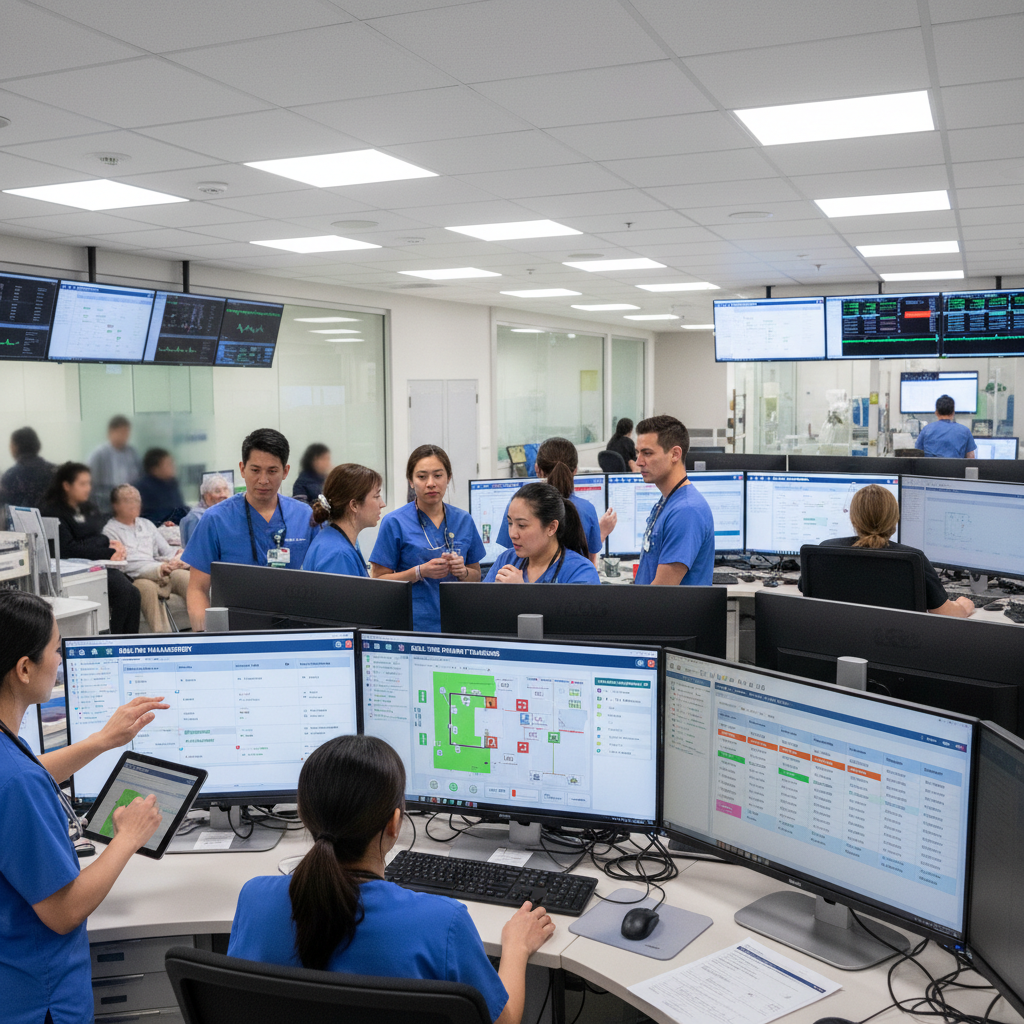
When a patient calls your practice with an emergency, or when an emergency is triggered within your facility, EHR-integrated triage gives the dispatcher immediate access to the patient's complete clinical record — medications, allergies, diagnoses, recent procedures, and care team contacts. This information is displayed alongside the digital triage protocol, allowing the dispatcher to make a more informed decision about the appropriate level of response.
- Real-time EHR data display during triage calls — medications, allergies, diagnoses, and care team
- Standardized digital triage protocols for every emergency type — cardiac, respiratory, neurological, trauma, and more
- Automatic medication and allergy alerts when relevant to the emergency type
- Risk stratification based on patient history — flagging high-risk patients for escalated response
- Automatic escalation triggers when patient history indicates a higher level of care is needed
- Seamless handoff to 911 CAD with patient data pre-populated for responding units
Standardized Protocols: Reducing Variability in Emergency Decision-Making
One of the most significant benefits of digital triage protocols is the reduction of variability in emergency decision-making. When every dispatcher follows the same evidence-based protocol — regardless of experience level or shift — the quality of triage decisions becomes more consistent. New dispatchers perform at the level of experienced ones because the protocol guides them through every decision point.
Healthcare organizations that implement standardized digital triage protocols report that the performance gap between new and experienced dispatchers narrows by 60% within 90 days of deployment — because the protocol provides the clinical decision support that experience previously had to supply.
Integration with 911 and EMS Systems
When a triage decision results in a 911 call, EHR-integrated dispatch automatically transmits the patient's relevant clinical data to the 911 CAD system — so responding paramedics arrive with the patient's medication list, allergy history, and active diagnoses already in hand. This pre-arrival information allows EMS to prepare the appropriate medications and equipment before they reach the patient, reducing on-scene decision time and improving outcomes.
Post-Incident Documentation and Quality Improvement
Every emergency handled through the digital triage system is automatically documented — the triage protocol followed, the decisions made at each step, the response dispatched, and the outcome. This documentation supports quality improvement reviews, regulatory compliance, and malpractice defense. Patterns in triage decisions can be analyzed to identify protocol gaps, training needs, and systemic issues that affect emergency response quality.
Frequently Asked Questions
Can digital triage protocols be customized for our specific patient population?
How does EHR-integrated triage handle patients who are not in our system?
What training is required for dispatchers to use digital triage protocols?
Ready to Implement These Strategies?
Our healthcare marketing specialists handle everything — from technical SEO to content creation to review management. No long-term contracts.
Get a Free Consultation