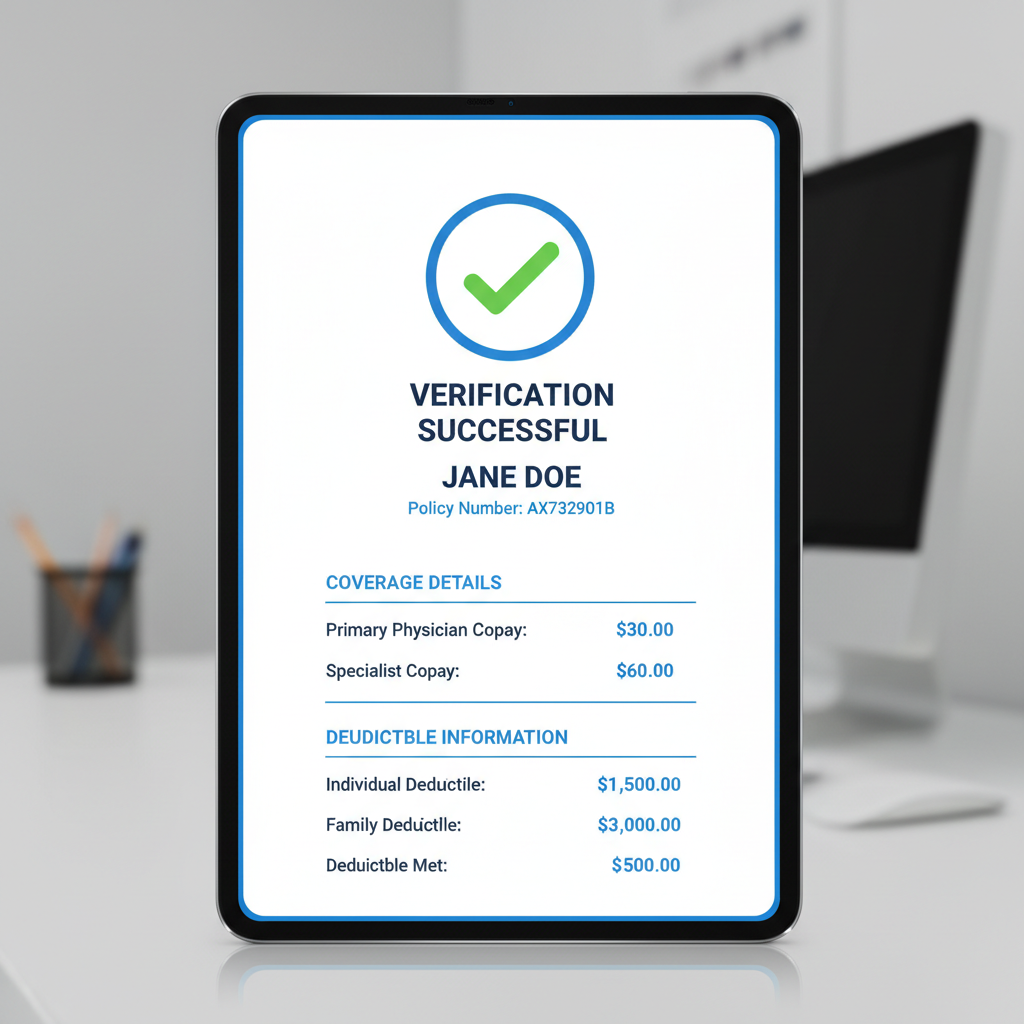
Nothing damages the patient-practice relationship faster than a billing surprise. A patient who arrives believing their visit is covered by insurance, only to discover at checkout that their deductible hasn't been met or their plan doesn't cover the service, leaves frustrated — and often disputes the bill. The solution is not better billing communication after the fact. It's catching coverage issues before the patient walks through the door.
Why Eligibility Verification Must Happen at Intake, Not at Billing
Traditional eligibility verification happens at the billing stage — after the visit has already occurred. By that point, it's too late to have a productive conversation with the patient about their coverage. The visit is done, the service has been rendered, and the patient is now receiving an unexpected bill. Moving eligibility verification to the intake workflow — running checks 48–72 hours before the appointment — gives your team time to contact the patient, explain their coverage, and collect any expected patient responsibility before the visit.
What Automated Eligibility Verification Checks
- Active coverage status — confirming the patient's insurance policy is active and in force on the date of service
- In-network vs. out-of-network status — verifying whether your practice is in-network for the patient's specific plan
- Deductible status — current deductible amount, amount met year-to-date, and remaining balance
- Copay and coinsurance — the specific patient responsibility for the visit type being scheduled
- Out-of-pocket maximum — current status and remaining balance for the plan year
- Prior authorization requirements — whether the scheduled service requires pre-authorization before the visit
Communicating Coverage Information to Patients at Intake
Automated eligibility verification is only valuable if the information reaches the patient before the visit. NYC Healthcare Marketing's intake system includes automated patient communication workflows that deliver coverage summaries to patients via text or email after eligibility verification runs — giving patients a clear picture of their expected out-of-pocket costs before they arrive. For patients with coverage gaps or high patient responsibility, the system triggers a front desk alert for proactive outreach.
Practices that communicate patient responsibility at intake collect 3x more patient payments at the time of service compared to practices that send bills after the visit — dramatically reducing accounts receivable aging and collection costs.
Integrating Eligibility Verification With Your EHR and Billing System
NYC Healthcare Marketing integrates automated eligibility verification directly with your EHR and practice management system — so verification results populate automatically in the patient record, front desk alerts appear in the scheduling workflow, and patient responsibility estimates are available at check-in. No separate login, no manual data transfer, no duplicate entry.
Frequently Asked Questions
How accurate is automated insurance eligibility verification?
What happens when a patient's insurance has lapsed or changed?
Can eligibility verification integrate with our existing scheduling system?
Ready to Implement These Strategies?
Our healthcare marketing specialists handle everything — from technical SEO to content creation to review management. No long-term contracts.
Get a Free Consultation